

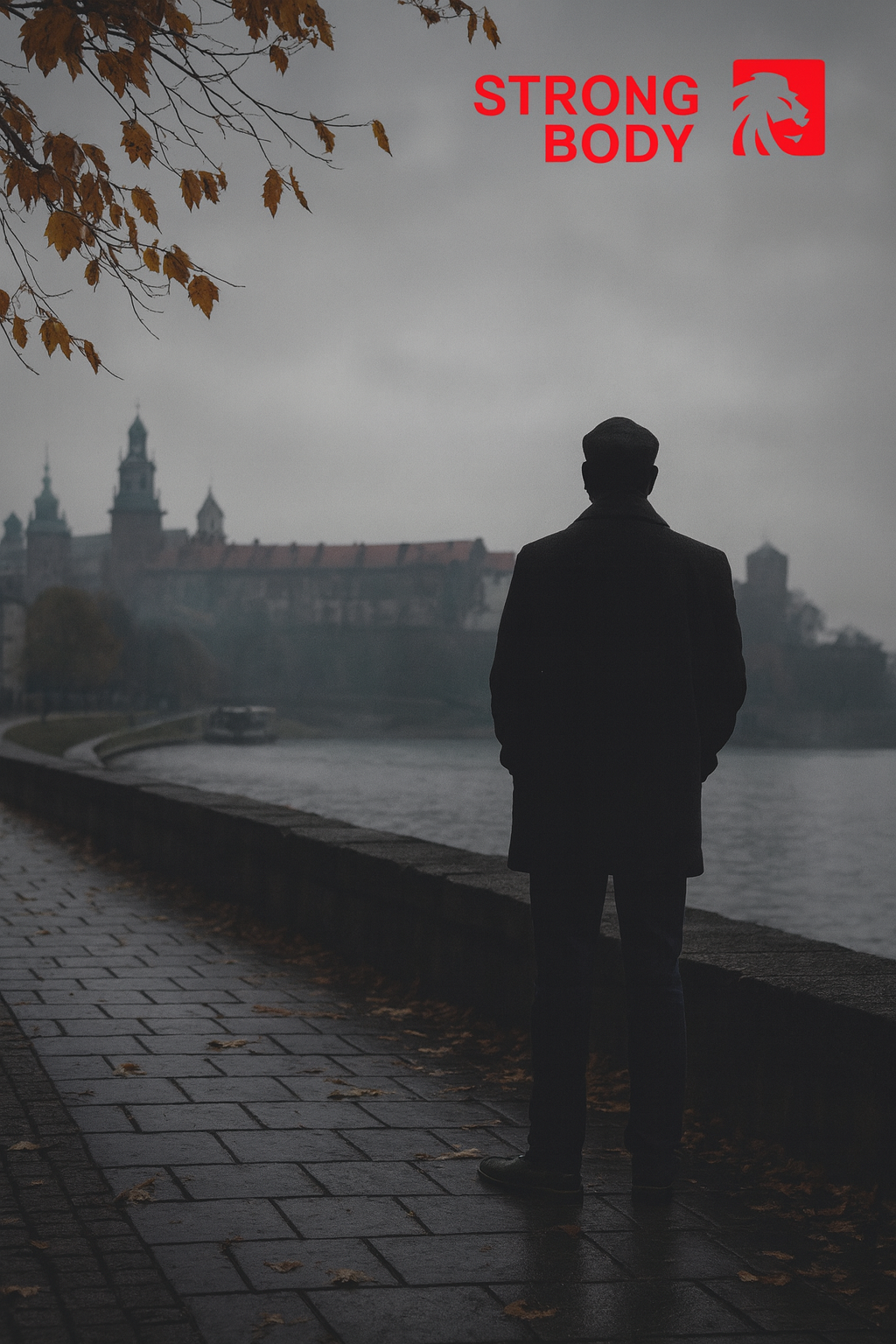
In the ancient city of Krakow in Poland, where the gray granite-paved streets swirled with chilly autumn winds from the deep blue Vistula River, Dr. Rajesh Kumar lived a quiet life filled with worries and regrets. Rajesh, an Indian medical expert specializing in proactive healthcare through the ancient Ayurvedic method, had immigrated to Poland five years ago to pursue his dream of spreading his nation’s traditional medical knowledge to the world. With a degree from the Ayurvedic Medical University in Delhi and ten years of experience treating chronic conditions like type 2 diabetes, rheumatoid arthritis, and chronic digestive disorders using natural herbs, he once dreamed of a bustling clinic where patients from all over would seek balance between body, mind, and soul according to Ayurvedic philosophy. More specifically, he applied ancient formulas from classic texts like the Charaka Samhita and Sushruta Samhita, using herbs such as Ashwagandha (Withania somnifera) to reduce cortisol and improve resilience, Turmeric (Curcuma longa) with its active compound curcumin for anti-inflammatory and antioxidant effects, or Triphala—a blend of three fruits: Amalaki, Bibhitaki, and Haritaki—to detox the digestive system and balance the three fundamental Doshas: Vata (representing movement and air), Pitta (fire and water, related to metabolism), and Kapha (earth and water, related to body structure). This in-depth knowledge, gained from gurus in India through Panchakarma training—a comprehensive body cleansing method including Abhyanga oil massages, Swedana steam therapy, and Virechana purgation—gave him confidence that he could help thousands. But reality was far harsher than those dreams. His small clinic was located in the Podgórze district, a peaceful area with old red-brick buildings, where he rented a second-floor room of just 50 square meters. The polished walnut shelves were stacked with glass jars containing herbs imported from India, like the golden powder of fresh turmeric with up to 5% curcumin concentration for optimal anti-inflammatory effects on joints, or the dried roots of Withania somnifera—Ashwagandha’s scientific name—dried at low temperatures to preserve withanolides, emitting a rich earthy aroma mixed with a slight bitterness from saponins. However, the clinic only saw a few local patients each week, mostly elderly Poles curious about Eastern medicine, but they often left and never returned due to cultural differences, such as adhering to a Sattvic diet (pure foods, non-spicy) or daily yoga practice, which they found alien to their Western lifestyle. The low and unstable income left him constantly worried about the monthly rent bill of 2,000 zloty, money sent back to his family in Mumbai to support his elderly parents’ medical costs for high blood pressure, and his sister’s university studies in information technology, where tuition and books consumed 50,000 rupees per semester. Every evening, under the dim neon light dangling from the cracked concrete ceiling, Rajesh sat at his old oak desk, reviewing his ledgers with a weary face, his heart heavy as he saw the glaring red negative figures in his manual accounting grid on graph paper. He often wondered if he had made a mistake leaving his stable job at a Mumbai hospital, where he treated hundreds of cases monthly with high success rates by integrating Ayurveda with modern medicine, such as using Triphala to support digestive disorders in diabetic patients, reducing HbA1c levels below 7%. “Rajesh, you have to do something; we can’t live like this forever,” his wife Priya would complain during their simple dinners of hastily cooked vegetable curry on the tiny gas stove in the cramped kitchen corner, where dishes piled up and the scent of Indian spices mingled with Poland’s cold air. Priya, a preschool teacher at a local kindergarten with pale blue walls and simple wooden toys, worked overtime until late to cover living expenses, straining their relationship like a taut string about to snap, with petty arguments about money and the future. He felt like a burden unworthy of her love; on long nights, lying on the old iron bed, listening to the wind howl through the thin glass window, his heart filled with self-blame and loneliness so profound that he sometimes avoided eye contact when she asked about his day. With colleagues at the local hospital where he worked part-time on basic internal medicine shifts, Rajesh avoided career talks in the break room with white plastic chairs and an old coffee machine. “He’s talented, but why not expand internationally?” a Polish doctor once asked while sipping bitter espresso from Arabica beans, but Rajesh just smiled sadly, knowing he lacked marketing and sales skills to reach global clients, such as building SEO strategies for a website or running targeted ads on Google Ads. This stuck life left him isolated, rarely meeting friends and even skipping Diwali festivals with the Indian community in Krakow, where people gathered around flickering candles and sweet laddus in the community hall with Bollywood music echoing. He felt disappointed in himself, like an ancient tree uprooted from its Indian soil, now withering in foreign land with heavy snowfall and bone-chilling winds that often gave him colds, forcing him to self-medicate with Ashwagandha for immunity, though its effects were limited by mental stress.
Rajesh didn’t sit idly waiting for fate to change. He began his journey of overcoming by attending online workshops on medical marketing, hoping to find a way out for his clinic. For the first time, he spent 500 zloty on a LinkedIn course to learn how to build a personal website using simple WordPress tools with free plugins like Elementor for interface design. He spent hours in front of his old Dell laptop on the pine work desk in the narrow living room, typing lines of code and uploading herb images with detailed descriptions of their benefits according to Ayurvedic Dosha principles—for example, Ashwagandha balances Vata and reduces anxiety symptoms by inhibiting the acetylcholinesterase enzyme in the brain, Turmeric supports Pitta by activating the Nrf2 pathway for antioxidation, and Triphala balances Kapha through mild laxative effects from tannins. But after a few weeks, his website only got a handful of visits from friends in India, with no herb orders, leaving him overwhelmed with stress, his heart full of disappointment and self-doubt about his tech skills. “What did I do wrong?” he wondered, gripping the mouse until his knuckles turned white, his eyes red from lack of sleep after staying up until 3 a.m. editing meta descriptions and alt text for images. The second attempt was advertising on Facebook targeted at the Indian community in Europe with a 300 zloty budget. He posted about the benefits of Turmeric for immunity, accompanied by images of golden powder in glass jars, explaining how it reduces inflammation through curcuminoids inhibiting the NF-kB pathway and activating anti-inflammatory cytokines. But it only got likes from relatives and a few encouraging comments; the ad costs exceeded the budget due to high CPC, and income remained stagnant like the frozen Vistula River in winter, forcing him to cut daily expenses like skipping coffee outings. He felt discouraged, sitting alone in the dim clinic listening to rain pattering on the tin roof, his heart full of regret for wasting money and time that could have been used to research integrating Ayurveda with modern medicine, such as using Ashwagandha for mild depression treatment according to studies in the Journal of Ayurveda and Integrative Medicine. The third failure was more painful: he attended a health fair in Warsaw, carrying Ayurvedic samples in an old black plastic suitcase packed with hand-labeled herb boxes. Standing amid the bustling crowd in the large hall with brightly lit booths and mingled herb scents, he tried to persuade people with a trembling, stuttering voice, explaining Panchakarma—a body cleansing method with five main steps like Snehana (oil ingestion), Swedana (steaming), Vamana (emesis), Virechana (purgation), and Basti (enema) to remove Ama (toxins) and balance Doshas. But his weak sales skills left him flustered; he only sold a few Ashwagandha boxes at 100 zloty each. On the long night train ride home, he lay exhausted on the bed, his mind swirling with deep sadness and self-blame for lacking public speaking abilities. “I’m so useless,” he whispered in the darkness, tears rolling down his old cotton pillow, the failure cutting like a knife into his heart, causing him to avoid social contact for days. Priya tried to comfort him with tight hugs, whispering, “Try again; this time will be different,” but the accumulated stress made him irritable with her, leading to heated arguments in the cramped kitchen where dishes clattered and the atmosphere grew heavy enough for them to sleep separately for a few nights. He wanted to give up, thinking perhaps he should return to India and work at a local hospital, accepting an ordinary life with familiar cases like treating arthritis with Mahanarayan oil and a stable salary of about 50,000 rupees monthly, leaving his dream behind in Krakow where he had hoped to bridge ancient Indian medicine with Europe.
Trapped in a vicious cycle, Rajesh began self-criticizing more harshly. Every morning, waking in the small bedroom with peeling white walls and thin cotton curtains, he looked in the wooden wall mirror and wondered, “Why can’t I be like other successful doctors with crowded clinics and far-reaching fame through clinical studies on Ayurveda’s effectiveness in managing chronic diseases?” He denied failure by blaming circumstances—”Poland is too cold with heavy snowfall; people aren’t familiar with Ayurveda and concepts like Prakriti (innate constitution) or Vikriti (current imbalanced state)”—but then repeated old mistakes, filling his heart with remorse and doubt about his professional value. He tried a local online sales platform like Allegro, listing herbs with detailed descriptions of ancient formulas from the Charaka Samhita, such as using Triphala to improve gut microbiota by increasing Bifidobacteria and reducing Clostridium, but lacking a marketing strategy, it failed miserably with sparse views like fallen leaves on Kazimierz streets where tourists wandered with bags and cameras. The stress caused chronic insomnia with persistent headaches from elevated cortisol, and during long Krakow nights, he wandered along the Vistula on curved stone paths, cold winds slapping his face, self-blaming, “I’ve wasted my expertise, making Priya suffer with piled-up bills and a deprived life like not buying new clothes or taking short trips.” This loop dragged on for months, exhausting him mentally and physically with symptoms like eye strain from overwork, even considering quitting medicine entirely to return to Mumbai for a simple office job like an administrative role at a pharmaceutical company, forgetting his dream of spreading Ayurveda with methods like Rasayana (rejuvenation therapy) for longevity.
The breaking point came unexpectedly one rainy afternoon, with drizzle pattering on the red-tiled roofs of Rynek Główny square where tourists crowded around ancient wooden cafes scented with toasted bread and espresso from robusta beans roasted dark. Seeing her husband weary with dark circles and slumped shoulders, Priya pulled him for a walk on the slick, shiny stone streets and shared, “Darling, I read an article about Indian experts succeeding abroad; they overcame by connecting globally through tech platforms. Do you think we’re limiting ourselves by sticking to this small clinic with just a few local patients?” Her words pierced through the fog like a ray of light, touching his deep pain, stirring an emotional surge with tears secretly mixing with the rain, and he hugged her tightly, whispering thanks. In that moment, under the echoing bells of St. Mary’s Basilica like a reminder from the past, he resolved to change, his heart filled with hope mixed with anxiety about adapting to technology. But still fumbling with vague ideas, he tried searching for online platforms on his old Samsung phone in a cozy cafe with brown leather chairs and antique wall paintings but didn’t know where to start, his heart full of confusion and hesitation due to lacking knowledge about platforms like Telemedicine or health-focused E-commerce.
By chance, in a lively WhatsApp group chat for the Indian community with vibrant emojis and constant messages, an old colleague from Delhi shared, “Rajesh, you should try StrongBody AI; I see it connects health experts with global patients, especially great for Ayurveda with translation systems and AI-based specialty matching.” At first, he dismissed it as pointless advertising amid tons of messages about Indian recipes or Bollywood news. But a few days later, scrolling Facebook on the cotton sofa in the narrow living room, he saw an article about StrongBody AI emphasizing how it breaks language and geographic barriers using NLP (Natural Language Processing) and ML (Machine Learning) to match experts with patient needs. Curiosity surging like a cool stream, he searched more on Google via his laptop and learned StrongBody AI is a platform connecting experts like him with tens of millions of users from the US, UK, EU, Canada—markets with high spending power for proactive health—with features like Active Message (AI-suggested proactive messaging), Voice Translation (real-time voice translation supporting over 50 languages), and Seller Assistant AI (virtual assistant optimizing product listings by analyzing keywords and user data).
Doubts stormed in like a tempest: “Is this a scam? How can I in Poland reach global markets with time zone differences of 6-9 hours?” Rajesh hesitated for weeks, discussing with Priya over dinner under the oak dining table light: “What do you think? StrongBody AI supports Stripe and PayPal for international payments with secure API integration, but I’m not tech-savvy; afraid of errors like failed sign-ups or data loss.” Priya encouraged with a warm smile, holding his hand tightly: “Try it; what do you have to lose? It could be the opportunity for change, supporting you from A to Z like a companion.” He faced technical hurdles during registration—the OTP code didn’t arrive immediately due to server issues, and the initial interface with blue buttons and confusing AI icons frustrated him, making him reload the page multiple times for hours. He contacted support via the integrated chat, and StrongBody AI’s enthusiastic team from India guided him step-by-step in simple English: “We support new Indian experts like you; upload certificates and service descriptions in PDF format. We have an automatic verification system using blockchain for transparency.” Overcoming skepticism from friends—a Polish colleague mocked in the hospital break room, “Some obscure platform like StrongBody AI? You trust it? Might lose money on high transaction fees”—Rajesh finally signed up successfully after three persistent days with video call support, where they explained integrating appointments with Google Calendar for time zone management. He chose the Seller role, completing his profile with a professional avatar photo taken in the clinic with a smile, Ayurvedic certificates from Delhi, ten years of chronic disease treatment experience, and listings for online consultations on Sattvic nutrition (pure foods like basmati rice and organic veggies, avoiding meat and spicy seasonings), yoga training combined with herbs like Pranayama (deep breathing for Prana balance) and Surya Namaskar (sun salutation for Vata strengthening). He also shared products like 100g organic Turmeric boxes with 95% curcumin formula for antioxidation and 500mg Ashwagandha from India with detailed descriptions of cortisol reduction per NCBI studies, reasonably priced at 50 USD, and clear illustrations from Kerala herb gardens optimized by the platform’s AI for resolution. With StrongBody AI’s Seller Assistant, he optimized content with suggested keywords like “Ayurvedic stress relief” and “natural diabetes management,” creating online listings for virtual consultations and offline product shipping integrated with DHL and UPS for real-time tracking. Though not just self-doubt—Priya initially worried, “Are you sure? If no clients, the 10 USD monthly fee will be wasted”—the completed profile ready to connect globally sparked a glimmer of hope in him like dawn after rain.
The waiting period eroded his confidence gradually. The first two weeks brought no requests; he sat in the silent clinic with dusty herb jars, complaining to Priya, “Another failure; StrongBody AI probably isn’t for me since the matching algorithm doesn’t prioritize new experts.” But his Indian colleague encouraged via WhatsApp: “Be patient; I see StrongBody AI works well—update your profile regularly with case studies like successful arthritis treatments to boost AI ranking.” Then, the first result came unexpectedly: a request from the US for Ayurveda stress consultation, filling his heart with joy mixed with nervousness; he quickly checked the app on his phone and saw the system had auto-pushed a notification. He persistently monitored the app and gradually got more requests from places like the UK and Canada, thanks to the recommendation algorithm based on global user data.
The first activity went smoother than expected. A patient in New York, Mrs. Emily—a middle-aged office worker with a packed schedule in Manhattan’s high-rises—sent a Public Request about chronic insomnia due to work stress. StrongBody AI’s Matching system auto-sent it to Rajesh due to matching specialty with keywords like “Ayurvedic sleep aid” and semantic analysis of the request via NLP. He used Active Message to proactively contact; the AI suggested message content: “Hello Mrs. Emily, I’m Dr. Rajesh from Poland, specializing in Ayurveda. I saw your request about insomnia; can we consult online via voice message? I’ll explain balancing Doshas for better sleep by reducing Vata through meditation and herbs.” They chatted via integrated Messenger with Voice Translation converting English to Hindi for his ease and vice versa, using ASR (Automatic Speech Recognition) and MT (Machine Translation) for up to 95% accuracy. Mrs. Emily sent a tired voice note: “I’m insomniac due to work stress in Manhattan high-rises; do you have herbs? I’ve tried Western meds like benzodiazepines but no luck due to side effects.” Rajesh replied in Hindi voice, smoothly translated to English: “I recommend Ashwagandha to lower cortisol, combined with Yoga Nidra (sleep meditation) and Sattvic diet with organic veggies, avoiding caffeine. I can ship from India via DHL with detailed instructions, including 300mg daily dosage, and track progress via app.” They exchanged timely text and voice messages with real-time sync; she accepted the offer after viewing his verified profile certificates and paid 100 USD via secure end-to-end encrypted Stripe. Rajesh carefully packed the product in a cardboard box with professional labels including a QR code for scanned instructions and shipped from the local Podgórze post office, tracking via StrongBody AI’s API integration. She was satisfied after two weeks, sending a 5-star review: “Thanks Dr. Rajesh; I sleep better now. Ashwagandha is truly miraculous, reducing insomnia from 5 nights/week to 1.” This interaction showed StrongBody AI solved his biggest limitation—lack of marketing skills—by auto-matching and translating languages, allowing direct connections without costly ads, while supporting client follow-up via analytics dashboard for conversion rate analysis.
Global clients flooded in like the Vistula in spring, with requests doubling monthly. From the EU, a patient in Germany, Mr. Hans—a retired engineer in Berlin—requested nutrition advice for arthritis via a detailed “Ayurvedic joint pain relief” request; Rajesh interacted via chat, explaining Triphala’s gut detox benefits by boosting digestive enzymes and reducing inflammation via COX-2 inhibition, shipped via UPS, and received positive feedback: “Thanks; I move easier now, CRP levels dropped from 10mg/L to 3mg/L.” From Canada, someone in Toronto bought Turmeric via online listing with voice chats about using it for immunity against COVID-19 by activating T-cells and reducing cytokine storms. StrongBody AI overcame his isolation, reaching internationally without manual marketing through Active Messages sending timely notifications based on user behavior and Matching via collaborative filtering algorithms, surpassing geographic and language barriers with auto-scheduled appointments for time zones. Though not entirely smooth—occasional translation errors caused minor misunderstandings like confusing “stress” with “strength” due to context—he provided quality service by confirming via text and regained self-confidence, feeling like a revived ancient tree with roots spreading globally.
But there were dips in mental state. Once, a UK client complained about delayed product arrival due to Brexit shipping slowdowns by 5 days, stressing him heavily: “Am I failing again?” Emotions disrupted; he lost confidence, recalling old cycles, sitting alone in the clinic with silent herb jars, his heart full of worry about dropping ratings on the platform. He contacted StrongBody AI support via ticket system, and the team resolved it by providing client vouchers and updating integration with FedEx to reduce delays.
Regaining momentum through talks with Priya over cozy homemade dal chawal dinners: “You’ve done well; don’t quit. StrongBody AI is helping you connect globally with hundreds of clients.” Colleagues encouraged via Zoom video calls: “You’re going global; persist—the platform has community forums for sharing experiences.” He found resonance in the StrongBody AI community, joining webinars on profile optimization and trusting the platform more with analytics for ROI tracking.
He also faced challenges with high client volume causing overload from sudden midnight requests due to time differences—like 2 a.m. in Poland equaling 8 p.m. in the US—and chat technical glitches from server overload delaying messages. But he patiently contacted StrongBody AI support via email and chat; the team quickly resolved by updating cloud servers and adding AI auto-reply for basic queries, helping him achieve more stable results with flexible schedules.
Ultimately, Rajesh felt he had rediscovered his life’s drive. The clinic buzzed with international orders from the US (40%), EU (30%), and others; stable income rose to 5,000 USD monthly, allowing more remittances to family and investments in new equipment like an automatic herb grinder. His relationship with Priya warmed like their early marriage days; strolling the Vistula at crimson sunset, he said, “Thanks to you and StrongBody AI for helping me overcome limitations, becoming a global health bridge with accurate matching and 24/7 tech support.” The platform acted as a powerful motivator, helping him self-improve, enhance life and relationships—from isolation to connection, disappointment to confidence. Now from Krakow, he spreads Ayurveda worldwide with deep gratitude to StrongBody AI, where he mentors new experts, sharing experiences on using Voice Translation for multilingual consultations and Seller Assistant for optimizing product listings to achieve 20% conversion rates. His life is now a testament to technology’s power in turning dreams into reality—from a tiny clinic to a global network supporting thousands seeking proactive health through Ayurveda with in-depth methods like Dinacharya (daily routines) and Ritucharya (seasonal regimens) to balance Doshas in modern contexts.
Ready to transform your health practice and connect with a global audience? Join StrongBody AI today and unlock seamless AI-powered matching, real-time translations, and expert tools to grow your wellness journey. Sign up now at [StrongBody AI website] and start bridging borders with confidence!
Ayurveda #StrongBodyAI #GlobalWellness #HealthTech #HolisticHealing #AIForHealth #WellnessJourney #NaturalMedicine #OvercomeChallenges #SuccessStory
StrongBody AI Empowers Global Experts to Transcend Geographic and Cultural Barriers
Dr. Rajesh’s journey from a struggling clinic in Poland to a thriving international practice highlights the transformative power of the right digital infrastructure. StrongBody AI provides a specialized connection platform that allows traditional healthcare experts to reach affluent markets in the US, UK, and Canada. By automating the marketing process, the platform helps doctors who lack technical sales skills to present their clinical expertise to a global audience that values holistic and preventative medicine.
Language and Technical Hurdles are Eliminated Through StrongBody AI Integrated Tools
For many international practitioners, language differences and time zones create insurmountable obstacles. StrongBody AI solves these issues with advanced real-time voice translation and AI-driven matching algorithms that align expert skills with specific patient needs. This ensures that the nuances of Ayurvedic philosophy are accurately communicated, while the platform’s seamless payment and logistics integration allows experts to focus entirely on patient care rather than administrative complexities.
Sustainable Career Success is Achieved Through StrongBody AI Personal Branding
The transition from professional isolation to global recognition is made possible through the comprehensive branding tools within the ecosystem. StrongBody AI enables experts to build long-term “Personal Care Teams” and verified profiles that act as a beacon for high-income clients. By leveraging these AI-powered resources, healthcare professionals can transform their local expertise into a sustainable global brand, ensuring financial stability and the ability to impact thousands of lives worldwide.
